Unveiling How Layered Incentive Structures Evolve From Initial Deposits Into Sustained Engagement Loops Across Portable Reel and Dealer Platforms
Written by Freya Flores · May 30, 2026
Unveiling How Layered Incentive Structures Evolve From Initial Deposits Into Sustained Engagement Loops Across Portable Reel and Dealer Platforms
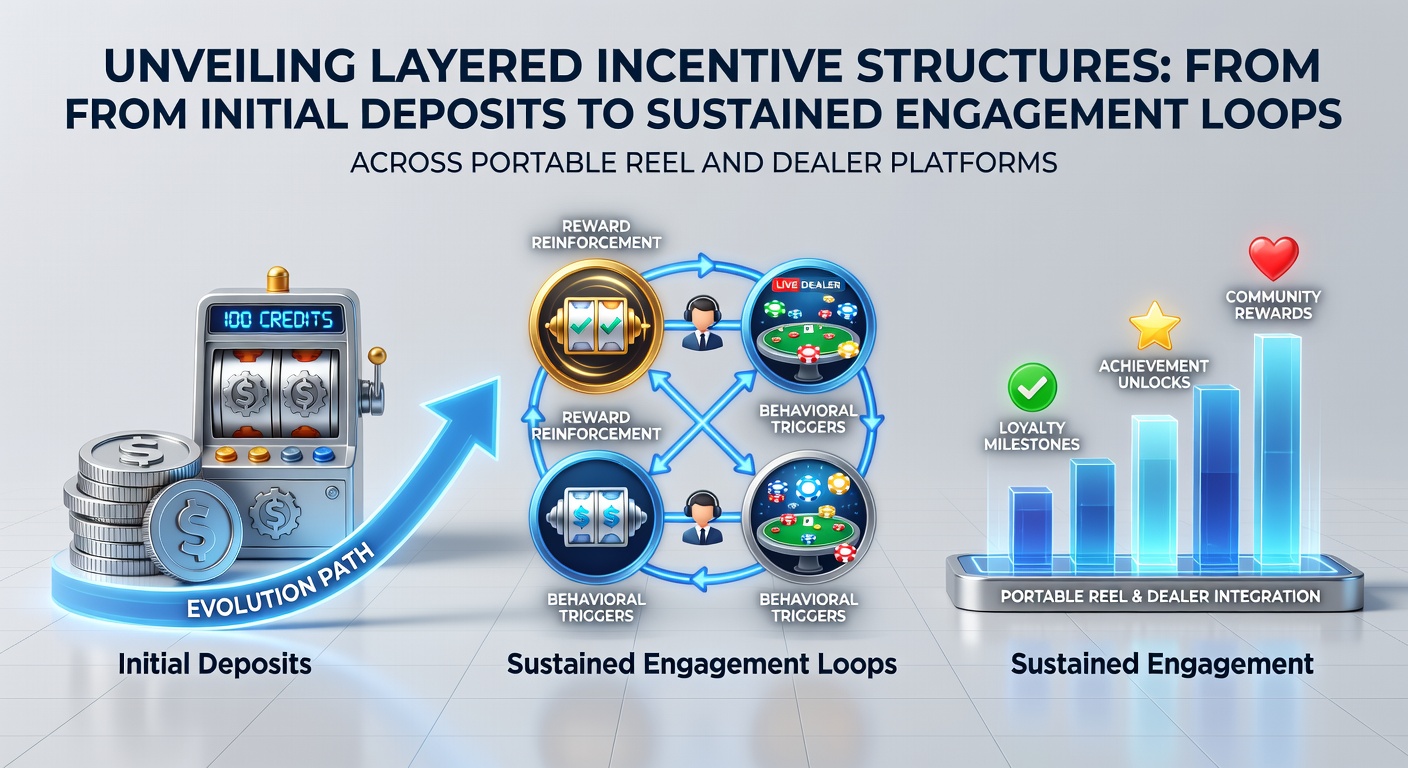
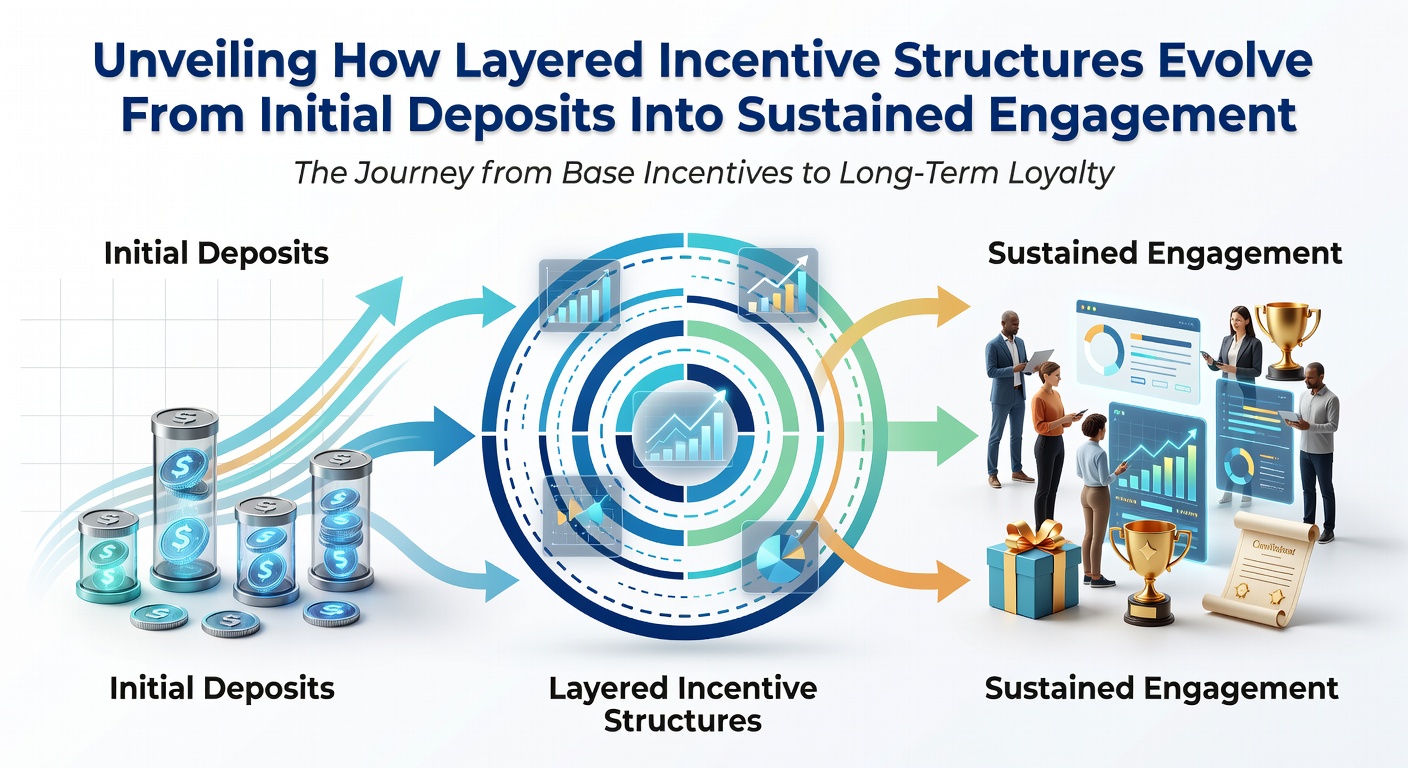
Layered incentive structures in portable gaming environments begin with a simple deposit that unlocks immediate rewards and then expand through sequential stages of play requirements, multiplier effects, and retention triggers. Observers note that these systems connect funding actions directly to ongoing participation across reel-based games and live dealer tables, creating pathways where each completed cycle feeds the next.
Initial Deposits as Entry Points
Users initiate the process by funding an account through approved methods that platforms process instantly, and this action activates base-level bonuses such as matched deposits or free spin allocations. Research from the American Gaming Association shows deposit volumes in mobile channels have grown steadily, with operators tracking how these first transfers correlate with immediate session starts on both reel and dealer formats.
Once the deposit registers, systems apply tiered conditions that require a set number of wagers before bonus funds convert to withdrawable balances, and this requirement channels activity toward specific game categories. Platforms differentiate reel spins from dealer interactions by assigning distinct contribution rates, where slots often receive full weighting while table games receive partial credit, guiding user navigation across the portfolio.
Layering Mechanics Across Reel and Dealer Formats
Subsequent layers activate as users meet play thresholds, converting initial rewards into enhanced multipliers or entry into progressive prize pools that accumulate across sessions. Data indicates operators program these layers to reset or escalate based on activity frequency, encouraging continued engagement without abrupt interruptions. Reel platforms typically emphasize volume-based triggers that reward consecutive spins, while dealer environments incorporate time-based elements such as extended table sessions that unlock additional dealer duel opportunities.
Portable interfaces streamline these transitions by displaying real-time progress bars and remaining requirements, allowing users to monitor advancement between reel streaks and live dealer rounds within a single application. According to figures released by the Michigan Gaming Control Board, mobile transaction patterns reveal that users who complete the first bonus layer demonstrate higher rates of return within 48 hours compared to those who do not.
Transition to Sustained Engagement Loops
Engagement loops emerge when completed layers trigger personalized offers that reference prior deposit amounts and game preferences, prompting additional funding to access new reward tiers. Systems log behavioral data to adjust incentive depth, increasing the appeal of reel progressions or dealer table entries based on observed patterns. These loops maintain momentum by integrating cashback mechanisms that return portions of losses as playable credits, which in turn feed back into the same layered structure.
Operators refine these cycles through A/B testing that measures how variations in requirement thresholds affect session length and cross-format movement between reels and dealers. Evidence from industry reports highlights that platforms incorporating both instant deposit confirmations and dynamic reward updates sustain longer user retention windows, particularly when notifications align with peak mobile usage periods in May 2026.
Platform Variations and Regional Influences
Different jurisdictions shape incentive evolution through rules governing bonus expiration, wagering contributions, and disclosure requirements, leading operators to adapt structures for compliance across state lines. Portable reel platforms often feature faster cycle times suited to short mobile sessions, whereas dealer platforms extend loops through scheduled events that reward consistent attendance. Those who have examined regulatory filings note that states such as Pennsylvania apply distinct standards for live dealer incentives compared to slot-focused rewards, influencing how layers stack and renew.
Cross-platform tracking allows a single deposit to influence eligibility for both reel and dealer promotions simultaneously, creating unified loops that span game types without requiring separate funding actions. This integration supports sustained activity by presenting combined progress metrics that update as users switch between formats during a session.
Conclusion
Layered incentive structures advance from initial deposits through sequenced requirements and personalized triggers to establish repeating engagement loops that operate across portable reel and dealer platforms. Operators continue to calibrate these systems using transaction and behavioral data, ensuring each stage connects funding to extended participation while remaining within applicable regulatory frameworks. The result is a dynamic process that sustains activity through incremental rewards and format flexibility.