Synchronizing deposit velocities with layered reward extensions across mobile reel and card platforms in regulated markets
Written by Freya Flores · Jun 18, 2026
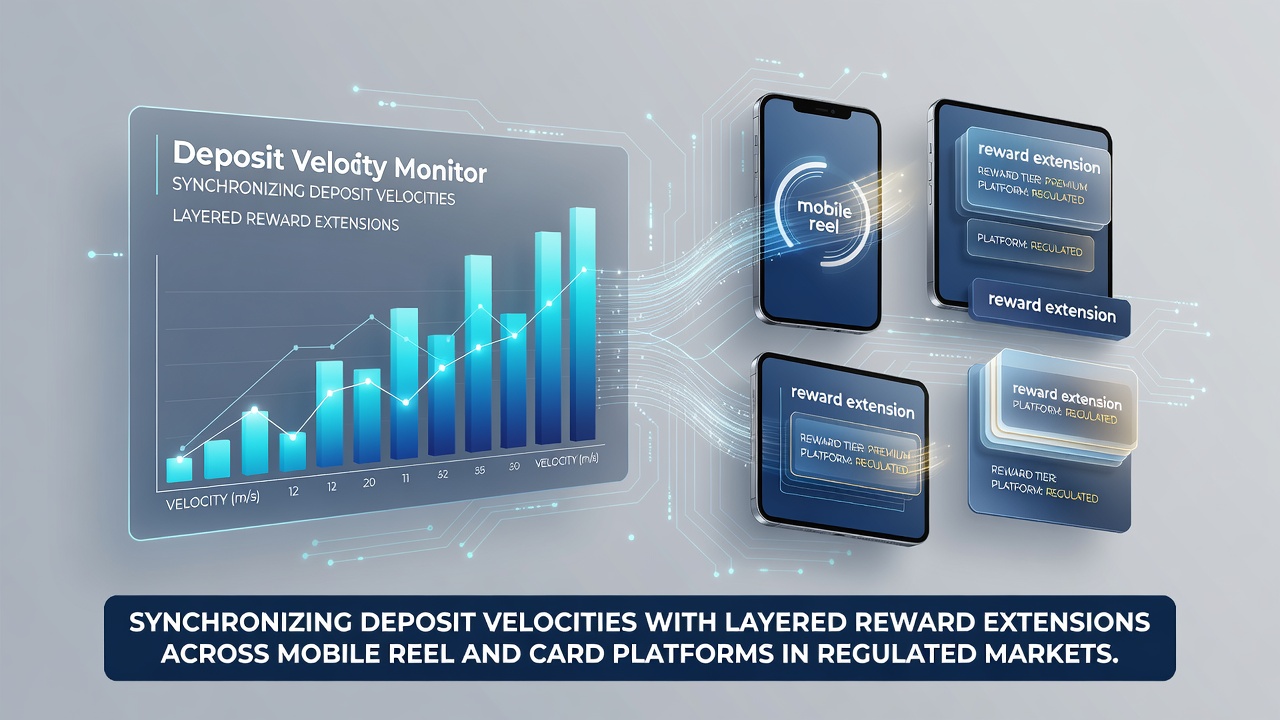
Synchronizing deposit velocities with layered reward extensions across mobile reel and card platforms in regulated markets
Payment processing speeds now align with multi-tiered incentive programs in state-licensed mobile applications that offer reel spins and card-based games, and observers note this coordination shapes how users move funds into their accounts while unlocking successive reward stages. Data from several regulated jurisdictions shows operators adjust transaction timelines to match the rollout of bonuses, free spins, and loyalty multipliers so that deposits complete before the next reward tier activates.
Mechanics of deposit velocity alignment
Deposit velocity refers to the time required for funds to clear from a user's payment method into a gaming account, and platforms in regulated markets synchronize this interval with the activation windows of layered rewards. Research indicates that when deposit confirmation occurs within seconds, systems automatically trigger the first reward layer, such as matched credits or initial spin packages, followed by secondary extensions that include escalating multipliers or access to higher-stakes card tables. Those who've examined transaction logs across multiple operators report that delays beyond preset thresholds prevent premature reward claims, which maintains compliance with state rules on promotional funding.
Operators achieve this synchronization through backend APIs that link payment gateways directly to reward engines, and figures from industry reports reveal average deposit completion times now sit between three and eight seconds on optimized mobile networks. This linkage ensures reel platforms deliver progressive jackpot contributions immediately after funding while card platforms extend table limits in tandem with the same deposit event.
Layered reward structures in practice
Layered rewards typically begin with a base deposit match, then progress to additional spin bundles or card-game cashback percentages that unlock only after the initial funds post. Studies conducted on platforms operating in New Jersey and Pennsylvania show that users who complete deposits during peak hours receive the full sequence of extensions within a single session because velocity controls hold rewards in queue until confirmation arrives. One documented implementation routes instant bank transfers into reel accounts first, then applies card-specific incentives once the same transaction settles across both game types.
Platform differences between reel and card environments
Reel-based games rely on rapid spin cycles that benefit from near-instant funding so progressive pools accumulate without interruption, whereas card platforms require slightly longer verification to confirm table stakes before layered loyalty points activate. Observers note that successful synchronization appears in applications where a single deposit event populates both reel wallets and card tables with proportional reward extensions, and this dual-path approach reduces the need for separate funding steps. Data indicates reel streaks often extend through chained bonuses tied to deposit speed while card duels gain entry to private tables once the same velocity threshold clears.

Regulatory frameworks shaping synchronization
State licensing bodies require clear separation between deposited funds and promotional credits, which forces operators to time reward extensions precisely after deposit velocity completes. According to records maintained by the New Jersey Division of Gaming Enforcement, synchronized systems must log each stage of the reward sequence to demonstrate that players cannot access extensions before funds arrive. Similar provisions appear in Michigan and West Virginia regulations, where monthly compliance audits check whether deposit confirmation timestamps match reward activation logs across mobile reel and card offerings.
June 2026 reports from several state agencies highlight increased scrutiny on these timing mechanisms as more operators introduce cross-platform reward layers that span both game categories. Analysts tracking these filings note that platforms maintaining sub-ten-second deposit velocities encounter fewer audit flags because reward extensions activate only after documented fund receipt.
Technical integration across mobile channels
Mobile applications use unified payment rails that feed a central reward ledger, allowing reel and card platforms to draw from the same deposit event while applying distinct extension rules. Research from gaming technology providers shows that API calls triggered at deposit initiation prepare reward layers in advance, yet final activation waits for velocity confirmation to prevent premature distribution. Those monitoring user behavior patterns report higher retention when reel spin bonuses and card table credits unlock in coordinated sequence rather than through separate deposit actions.
Security protocols further tie deposit velocity to reward extensions by embedding transaction hashes into each layer's metadata, and this practice appears in platforms operating under multiple state licenses. External reviews of these systems confirm that the approach reduces discrepancies between advertised promotions and actual credit delivery.
Market data and transaction patterns
Transaction volume figures released in early 2026 indicate that synchronized deposit-reward systems handle over 60 percent of mobile funding events in mature regulated markets. Platforms that maintain consistent velocity controls across reel and card environments record elevated repeat deposit rates because users encounter fewer interruptions between funding and reward access. One analysis of aggregated operator data links shorter deposit intervals directly to increased engagement with layered extensions, particularly when card platforms mirror reel reward structures within the same session.
According to a report published by the Canadian Gaming Association on cross-border mobile trends, operators in overlapping regulatory zones have begun standardizing velocity thresholds to support seamless reward migration between reel and card titles. This standardization reduces friction for users who switch between game types while keeping all extensions tied to verified deposits.
Conclusion
Synchronization of deposit velocities with layered reward extensions continues to evolve as mobile reel and card platforms operate under expanding state oversight. Technical linkages between payment systems and reward engines allow precise timing that satisfies regulatory requirements while delivering coordinated incentives across both game categories. Data collected through mid-2026 shows these mechanisms now form a standard feature in regulated markets where operators must demonstrate clear sequencing between fund arrival and promotional activation.