State Licensing Nuances Driving Multi-Layer Reward Chains Across Mobile Reel and Dealer Formats
Written by Parker Russell · Jul 23, 2026
State Licensing Nuances Driving Multi-Layer Reward Chains Across Mobile Reel and Dealer Formats
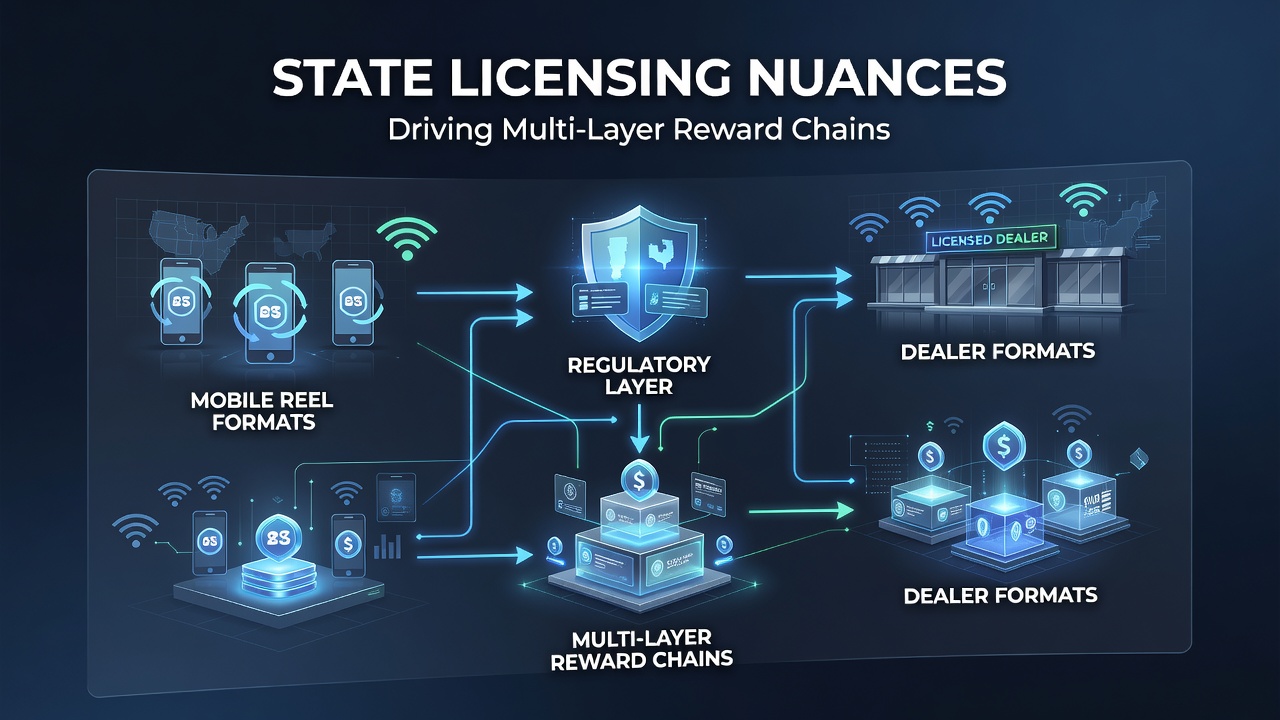
State licensing requirements create distinct frameworks that shape how operators construct reward sequences for mobile reel spins and dealer table sessions, and these differences emerge clearly when one compares jurisdictions such as New Jersey, Pennsylvania, and Michigan. Data from regulatory filings show that each state imposes unique caps on promotional values, wagering multipliers, and cross-format eligibility rules, which in turn forces platforms to design tiered incentive paths that comply while still encouraging continued play.
Regulatory Variations Shape Reward Architecture
Observers note that New Jersey rules limit the total value of initial deposit matches yet allow operators to layer loyalty points and progressive contributions differently than neighboring states, and this distinction produces reward chains where mobile reel users receive one sequence of bonuses while dealer table participants follow another. Pennsylvania statutes, meanwhile, tie bonus release schedules to specific game categories, which means a single deposit can unlock separate reel-based and dealer-based reward tiers that activate only after distinct playthrough thresholds are met. Michigan licensing documents reveal yet another pattern where virtual table games carry stricter contribution percentages toward wagering requirements than slot-style reels, prompting operators to split reward layers accordingly.
Figures released in July 2026 by state agencies indicate that these licensing distinctions have expanded the number of active promotional segments per user account, with many platforms now maintaining four or more simultaneous reward tracks that players navigate across both formats.
Mobile Reel Formats Respond to Licensing Constraints
Reel-based mobile offerings adapt by embedding state-specific multipliers into progressive jackpot contributions and daily login sequences, and these adaptations appear most visibly in states where licensing boards restrict the frequency of bonus resets. Operators therefore schedule reel-specific reward chains that unlock additional free spin tiers only after players complete designated live dealer sessions, creating an enforced cross-format progression that satisfies compliance while sustaining engagement. Research from industry monitoring groups shows that such linked structures have increased average session lengths in states with tighter promotional caps.
Dealer Table Platforms Develop Parallel Layers
Live dealer environments incorporate licensing nuances through time-limited table stakes bonuses and rake-back structures that differ from reel mechanics, and these elements often activate only after reel play has satisfied an initial deposit match. Licensing language in several states requires separate tracking of dealer-format contributions, which leads platforms to maintain distinct reward ledgers that feed into a shared loyalty currency, and this separation produces multi-layer chains where dealer wins can accelerate reel-based jackpot eligibility.
Cross-Format Integration and Compliance Pressures
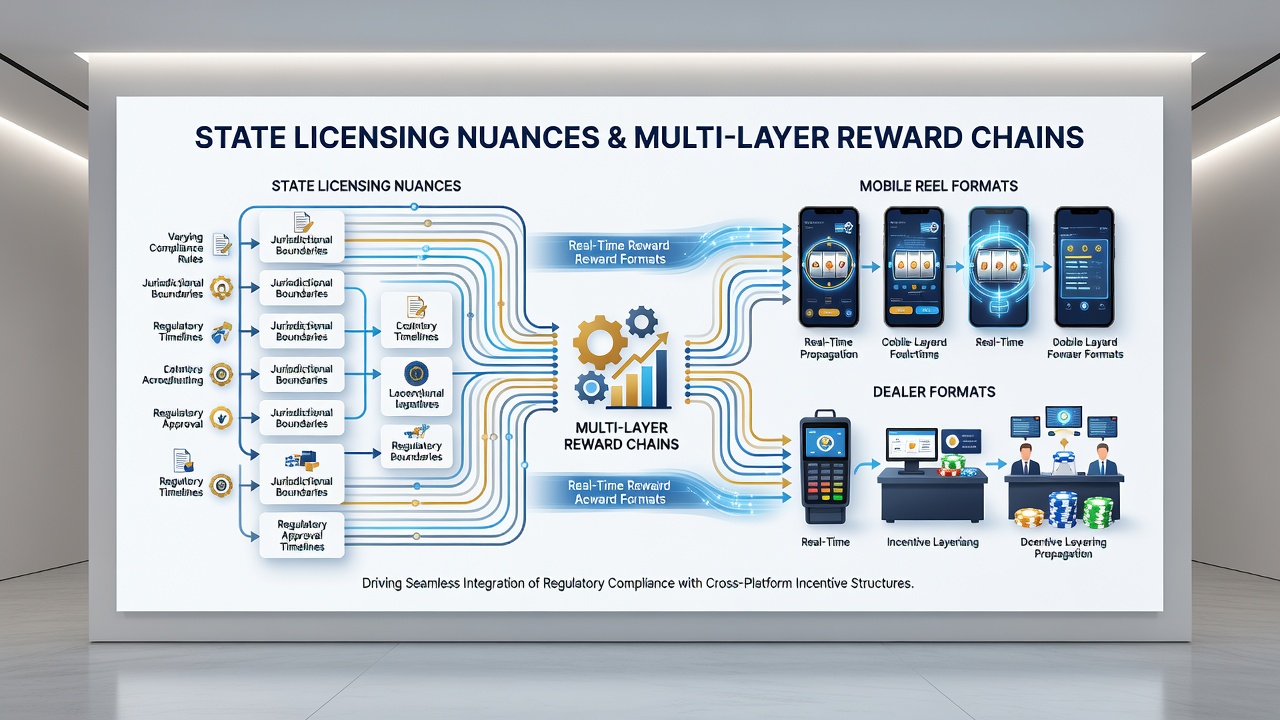
According to records maintained by the Pennsylvania Gaming Control Board, operators must demonstrate that promotional structures do not favor one format over another when state rules mandate balanced contribution rates, and this requirement has driven the creation of unified dashboards that display reel and dealer reward progress side by side. Similar documentation from the Michigan Gaming Control Board illustrates how licensing audits now examine whether layered incentives respect per-state caps on total bonus exposure, prompting further refinements to reward sequencing. Those who track these developments note that July 2026 filings already reflect adjustments in how operators allocate progressive pool contributions between mobile reel and dealer environments to remain within licensing boundaries.
Industry reports compiled by the National Center for Responsible Gaming further indicate that players encounter more segmented reward pathways in states with granular licensing language, because each layer must be documented and auditable independently. This segmentation produces chains where an initial deposit unlocks reel spins, a subsequent dealer session releases additional points, and a third cross-format milestone converts those points into cashback or tournament entries.
Conclusion
State licensing distinctions continue to generate increasingly elaborate reward architectures that span mobile reel and dealer formats, and regulatory filings through July 2026 confirm that operators respond by building parallel yet interconnected incentive layers. These structures reflect the specific constraints each jurisdiction places on promotional timing, contribution percentages, and format eligibility, resulting in reward chains that differ substantially from one state to the next while remaining fully compliant with local rules.