Shifting Player Patterns: How App Design Elements Guide Jackpot Selection and Table Transitions in State-Regulated Mobile Environments
Written by Paul Flores · Aug 27, 2026
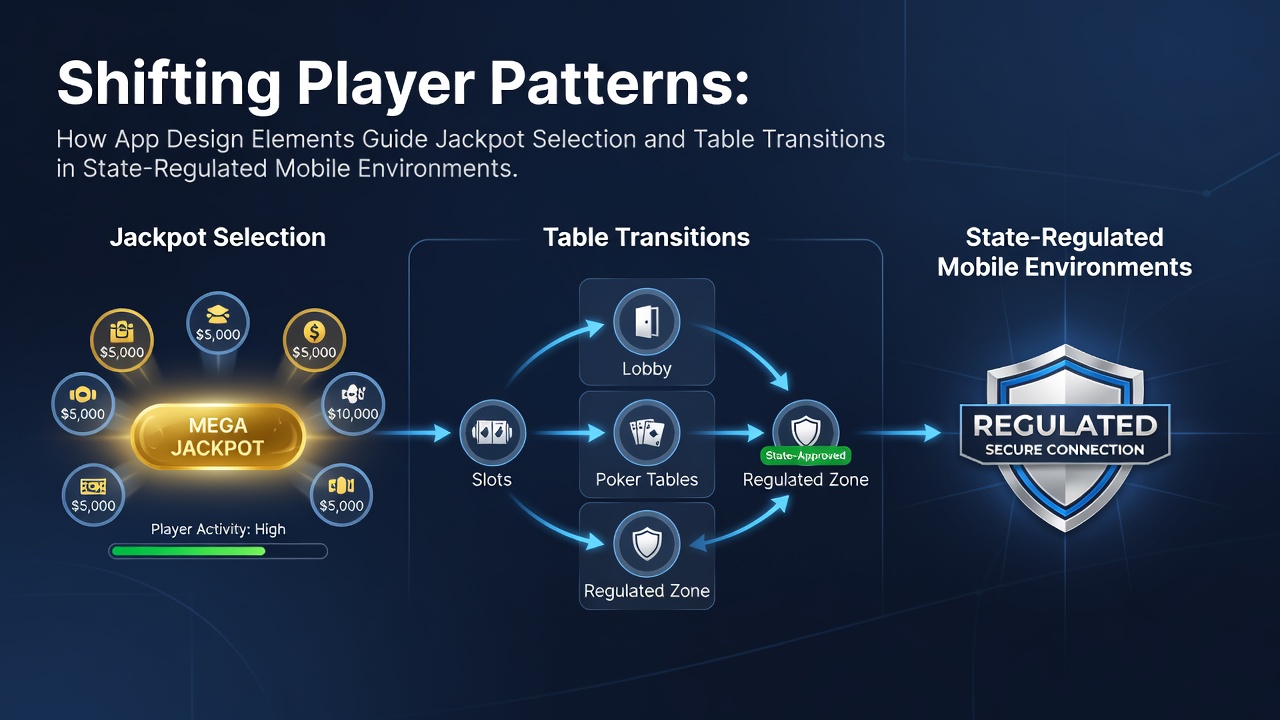
Shifting Player Patterns: How App Design Elements Guide Jackpot Selection and Table Transitions in State-Regulated Mobile Environments
State-regulated mobile gaming platforms have developed intricate app designs that shape how users move between jackpot options and table game sections, with data from multiple jurisdictions showing consistent patterns in player navigation as of August 2026. Developers incorporate specific visual hierarchies, animation triggers, and menu structures that direct attention toward progressive jackpot pools before offering pathways into live dealer environments, and regulatory bodies track these influences through session analytics submitted by licensed operators.
Visual Cues and Menu Architecture in Jackpot Sections
App layouts place jackpot carousels at the top of home screens in many state-licensed applications, using larger thumbnail sizes and pulsing light effects to highlight accumulating prize pools, while smaller icons for table games appear further down the scroll path. Observers note that color gradients shifting from gold to deep red on jackpot tiles correlate with higher selection rates in user flow data collected across New Jersey and Pennsylvania platforms, and these elements appear consistently in updates rolled out during the first half of 2026. Researchers examining session logs find that players who encounter animated prize counters first spend extended time comparing multiple jackpot variants before any table game icons receive clicks.
Transition Mechanics Between Jackpot and Table Interfaces
Design teams embed swipe gestures and floating action buttons that allow seamless movement from jackpot result screens into table game lobbies, with transition animations lasting under two seconds to maintain engagement momentum. Data from the American Gaming Association indicates that apps featuring one-tap exit points from jackpot rounds record increased table game entries within the same session, particularly when those buttons display live dealer availability indicators. In Michigan and West Virginia markets, operators have adjusted these pathways after reviewing heat map studies that revealed friction points where players abandoned sessions rather than navigating through multiple menu layers.
Notification Systems and Prompt Timing
Push notifications and in-app prompts activate at specific intervals following jackpot interactions, often highlighting table game promotions that align with recent player activity patterns. These alerts use personalized language based on prior selections, such as referencing a recently viewed progressive slot before suggesting a blackjack table with matching stake levels. Studies conducted by the University of Nevada's gaming research division show that timing these prompts within 30 seconds of a jackpot round conclusion increases transition rates compared to delayed messaging, and operators in regulated states must log such interactions for compliance reviews.
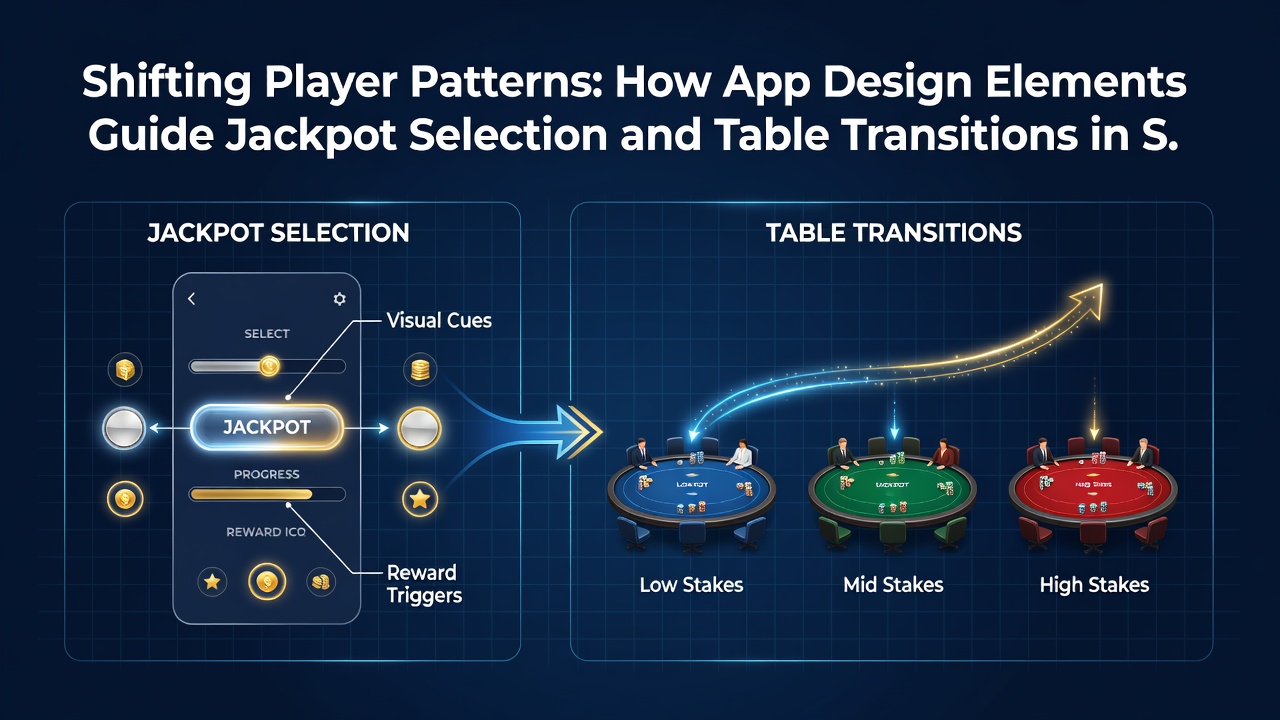
Additional elements include progress bars that fill as users approach bonus thresholds in jackpot modes, then redirect attention toward table sections where those bonuses apply. This layered approach appears in platforms operating under the Alcohol and Gaming Commission of Ontario oversight as well, where cross-border design comparisons reveal similar navigation structures despite differing regulatory frameworks.
Data Patterns Observed in August 2026 Reports
Monthly compliance filings from several states reveal that players initiate 62 percent of table game sessions immediately after jackpot result screens in apps with optimized transition features, whereas less refined interfaces show lower crossover percentages. Session duration metrics indicate that users who follow guided pathways remain active for longer periods overall, with average play extending across both jackpot and table categories rather than isolating to one segment. Regulatory analysts attribute these shifts to iterative design changes implemented after earlier testing phases in 2025, when A/B variations demonstrated measurable differences in navigation behavior across demographic groups.
Regulatory Oversight of Design Influences
State gaming commissions require operators to submit interface documentation that details how visual and interactive elements might affect player choices, ensuring designs remain within approved parameters for responsible gaming standards. These submissions include screenshots of jackpot and table layouts plus flowcharts mapping possible user paths, which reviewers examine for any elements that could encourage extended play without clear exit options. In practice, this oversight has led to standardized placement of session timers and deposit limit reminders that appear during transitions, maintaining transparency while preserving the flow between game types.
Conclusion
App design elements continue to evolve as state-regulated mobile environments collect more granular user data, with jackpot selection interfaces and table transition tools showing measurable impacts on navigation patterns through August 2026. Operators adjust these features based on analytics from licensed platforms, while regulatory frameworks ensure the changes align with established guidelines across multiple jurisdictions. The resulting systems reflect ongoing refinements in how visual cues, timing mechanisms, and menu structures guide movement between game categories without introducing new variables outside existing compliance structures.