Linking Electronic Transfer Options to Layered Reward Cycles in Portable Reel and Virtual Table Environments
Written by Paul Flores · Jul 27, 2026
Linking Electronic Transfer Options to Layered Reward Cycles in Portable Reel and Virtual Table Environments
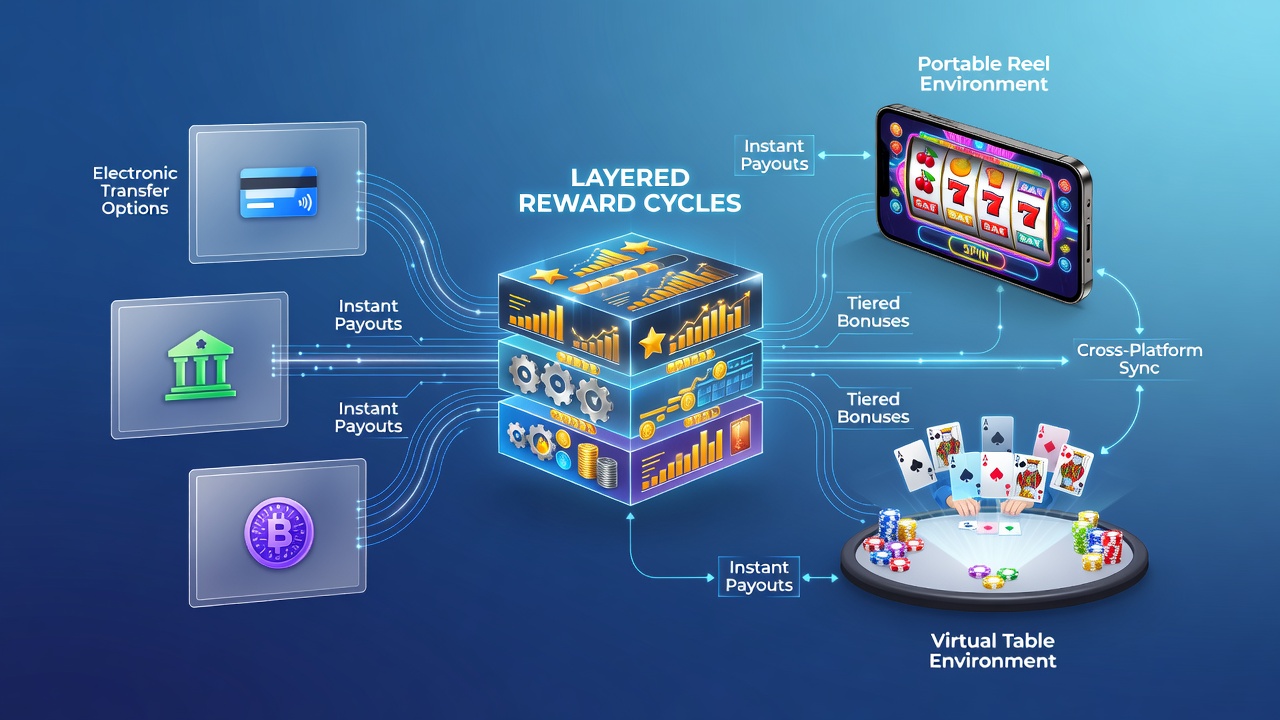
Data from multiple state regulatory filings shows that electronic transfer systems now connect directly to progressive reward structures in mobile gaming applications, where initial deposits trigger sequential bonus layers across reel-based and table-based interfaces. These connections rely on automated protocols that track transaction velocity and apply multiplier effects to player accounts within seconds of fund clearance.
Core Components of Transfer and Reward Integration
Electronic transfer options such as instant bank pulls and digital wallet authorizations feed into centralized ledgers that monitor deposit frequency, amount thresholds, and session duration before releasing the next tier of rewards. Observers note that this process creates sustained engagement loops because each completed cycle unlocks additional prize pool contributions or spin multipliers without requiring separate manual claims. In portable reel environments, the system registers every spin outcome against the linked transfer record and adjusts loyalty point accrual rates accordingly, whereas virtual table platforms apply the same data streams to side bet bonuses and streak multipliers that accumulate over consecutive hands.
Mechanics in Portable Reel Settings
Portable reel applications process electronic transfers through encrypted channels that immediately update a player's reward tier status. Figures from industry reports indicate that transfers completed during peak hours in July 2026 produced higher average cycle completion rates because the platforms prioritize those sessions for accelerated point distribution. The layered structure begins with a base deposit match, then advances to free spin allotments once a predefined number of qualifying spins occur, and finally reaches accumulation bonuses tied to progressive jackpot entries. Researchers tracking these patterns found that seamless transfer verification reduces drop-off between reward layers, allowing players to maintain momentum across extended sessions on mobile devices.
Application to Virtual Table Environments
Virtual table environments integrate the same transfer data into dealer interaction modules where electronic authorizations trigger comped rounds or enhanced payout tables after meeting volume targets. According to American Gaming Association analysis, these integrations appear most frequently in apps supporting both reel and table formats because shared backend ledgers simplify cross-game reward tracking. Players who initiate transfers during live dealer rounds receive real-time updates on their progress toward the next incentive level, such as cashback percentages or tournament entry credits. The process avoids manual intervention by using transaction timestamps to validate eligibility automatically.

Regulatory and Technical Considerations
State licensing bodies require that all linked systems maintain audit trails documenting every transfer-to-reward transition. Technical specifications released in mid-2026 emphasize encryption standards and real-time reconciliation between payment processors and gaming servers to prevent discrepancies in point balances. Data from the National Council on Problem Gambling research archives shows that transparent cycle structures help platforms comply with responsible gaming mandates by displaying remaining requirements for each reward layer before transfers finalize. This approach also supports cross-platform portability, allowing the same transfer history to influence rewards whether a user switches between reel spins and table sessions within the same application.
Observed Patterns in July 2026 Deployments
Platform updates rolled out during July 2026 introduced enhanced API connections that reduced latency between electronic transfer confirmation and reward activation. Reports from multiple operators documented increased average session lengths when these links operated without interruption, particularly in markets where mobile usage dominates. The layered cycles now incorporate conditional triggers, such as minimum transfer amounts combined with consecutive active days, which extend the duration players remain eligible for accumulating prizes. Those who monitor these systems note that the design encourages gradual progression through reward tiers rather than isolated one-time bonuses.
Conclusion
Electronic transfer options continue to serve as the foundation for layered reward cycles in both portable reel and virtual table environments by providing verifiable transaction data that platforms convert into sequential incentives. Integration relies on automated verification, shared ledgers, and regulatory-compliant tracking that together sustain engagement across game types. As systems evolve, the emphasis remains on precise linkage between funding events and reward progression to maintain operational consistency across mobile platforms.