Following the Flow from Initial Deposits Through Varied Transaction Options Into Extended Play Sessions Spanning Reel Machines, Card Tables, and Live Dealer Formats on Handheld Devices
Written by Paul Flores · Aug 6, 2026
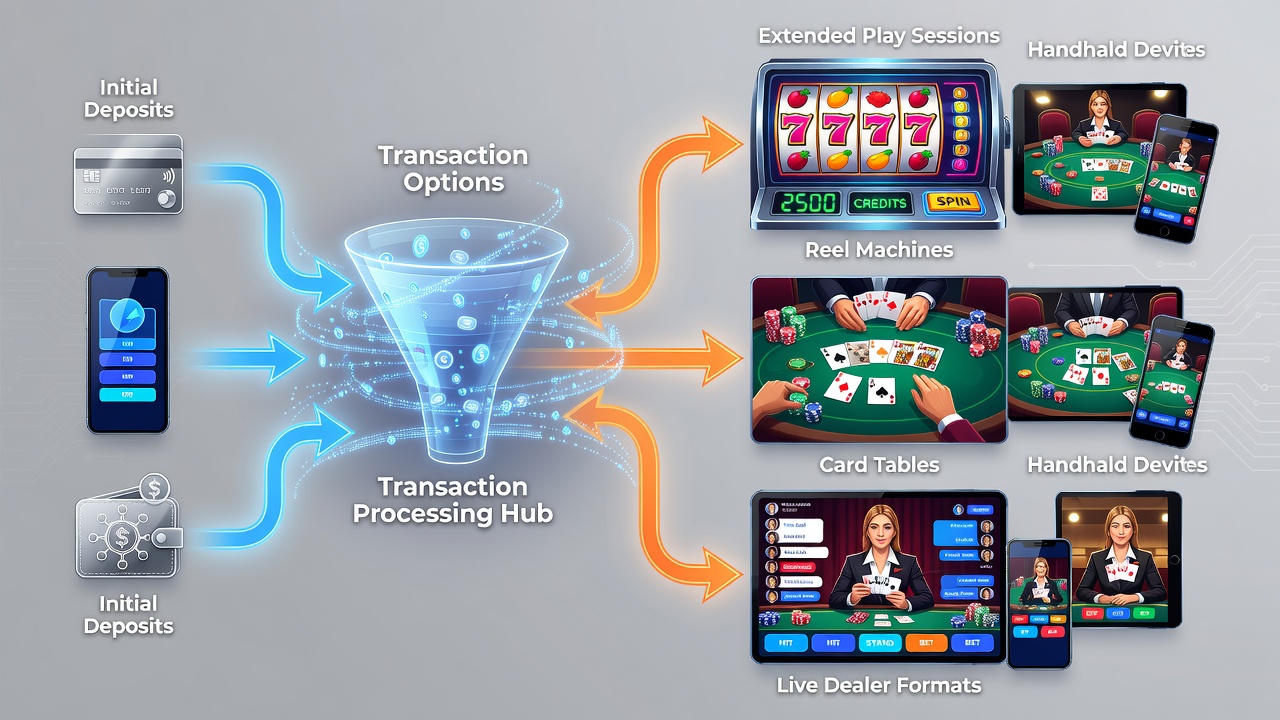
Following the Flow from Initial Deposits Through Varied Transaction Options Into Extended Play Sessions Spanning Reel Machines, Card Tables, and Live Dealer Formats on Handheld Devices
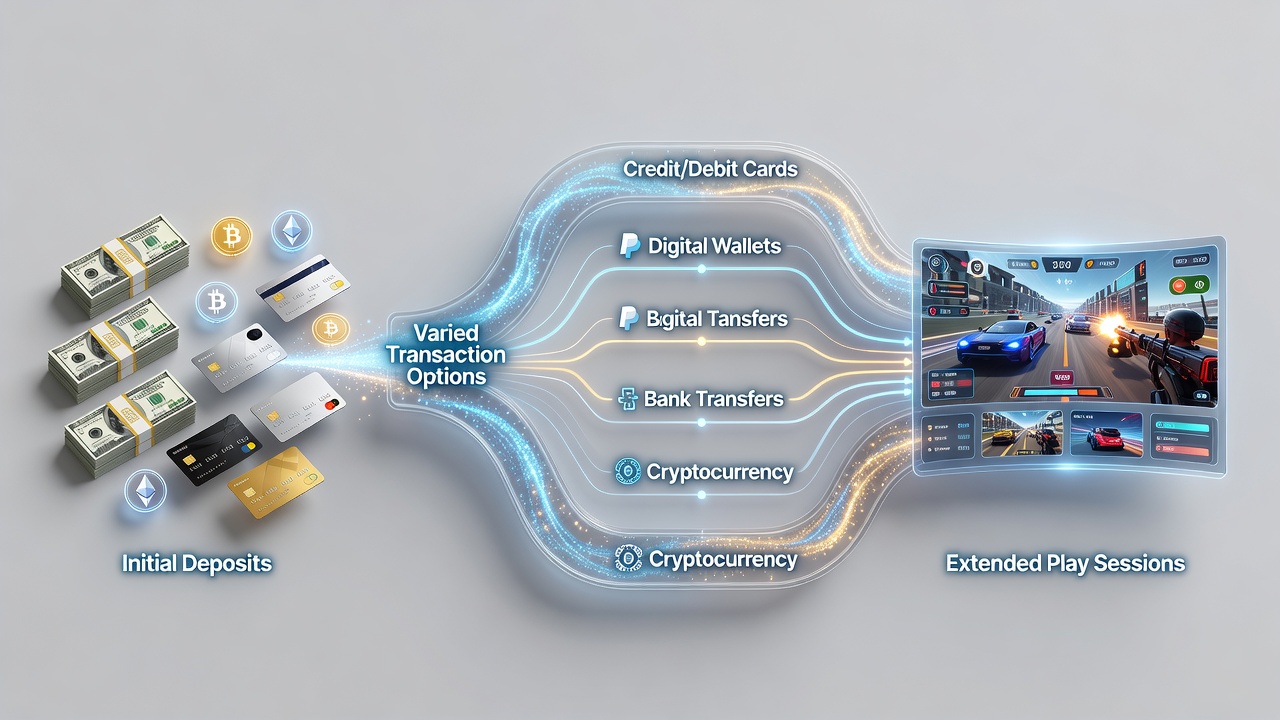
Players begin the process by selecting a state-licensed mobile platform and completing account verification steps that confirm identity and location through geofencing technology, which then unlocks access to deposit interfaces supporting credit cards, e-wallets, bank transfers, and prepaid options. These methods route funds directly into player accounts where balances appear instantly in most cases, allowing immediate transitions into game lobbies that feature reel machines alongside virtual card tables. Data from industry reports shows transaction completion times averaging under two minutes when using digital wallets, while bank transfers sometimes extend to several hours depending on the financial institution involved.
Transaction Pathways and Funding Mechanics
Payment processors handle the initial transfer by encrypting details and confirming authorization with the issuing bank or service provider, after which funds settle into segregated accounts maintained by the operator in compliance with state regulations. Observers note that platforms often display real-time confirmation screens that list available balances alongside any attached promotional credits, guiding users toward game selections without interruption. Those who have examined mobile transaction logs find that repeated deposits during a single session maintain session continuity across device orientations, since handheld screens adjust layouts automatically for portrait or landscape play. According to the American Gaming Association, mobile gaming accounted for a growing share of total wagers in regulated markets through mid-2026, with August figures reflecting steady adoption rates among users who favor quick funding routes over slower traditional methods.
Transitions Into Reel Machines and Card Tables
Once balances register, users navigate to reel machine sections where progressive jackpots accumulate across linked networks, or they select card table interfaces that simulate blackjack, poker variants, and baccarat with random number generators ensuring outcome fairness. Extended sessions develop as players adjust bet sizes incrementally, moving between high-volatility reels and lower-stakes table games while monitoring account meters that update after each spin or hand. Research indicates that session durations on handheld devices frequently exceed thirty minutes when players alternate formats, since the same deposit balance supports continuous engagement without requiring additional funding steps mid-play. Figures reveal that reel machines draw the majority of initial activity, yet card tables sustain longer individual rounds because decision-making pauses allow users to review strategies on smaller screens.
Integration of Live Dealer Formats
Live dealer streams connect through dedicated applications that maintain stable video feeds over cellular or Wi-Fi connections, enabling real-time interaction with human dealers who manage physical cards and wheels visible on handheld displays. Players allocate portions of their deposited funds to these tables, placing wagers that resolve within seconds and return results directly to the balance display for seamless continuation into other formats. Those who've tracked usage patterns report that live dealer sessions often follow initial reel play, extending total time spent as users respond to dealer prompts and chat functions without exiting the platform. In August 2026, regulatory updates in several states reinforced technical standards for live streaming quality, ensuring minimal latency during peak hours when multiple device users access the same tables simultaneously.
Sustained Engagement Across Device Sessions
Handheld platforms preserve session states through cloud synchronization, so users who pause mid-sequence can resume later on the same or different devices with balances and game histories intact. This continuity supports layered play that spans reel machines for quick cycles, card tables for strategic depth, and live dealer rooms for immersive pacing, all funded from the original deposit pool. Evidence from platform analytics demonstrates that varied transaction options encourage repeated top-ups during longer sessions, particularly when e-wallet users experience near-instant processing that aligns with spontaneous game switches. A study conducted by the University of Nevada, Las Vegas gaming research center found that players utilizing multiple funding methods within one day tended to distribute activity evenly across game categories rather than concentrating on a single type.
Conclusion
The pathway from deposit initiation through diverse transaction channels ultimately supports extended mobile engagement that incorporates reel machines, card tables, and live dealer options on handheld devices. Regulatory frameworks in licensed jurisdictions maintain oversight of these flows to ensure secure handling and fair outcomes, while technological integrations keep the experience fluid across formats. As markets evolve into late 2026, these processes continue to underpin daily activity volumes reported by operators and state agencies alike.